
Customer-focused marketing has been a trend since the 1960s, when Lester Wunderman introduced the concept of being “customer-centric.” In today’s competitive business environment, selecting the right CRM software is essential for enterprises seeking tailored and scalable solutions.
CRM has transformed businesses across industries, including out-of-hours call center companies and retail organizations. It has reshaped marketing channels, improved customer loyalty strategies, and introduced advanced technological capabilities.
The future of the CRM market continues to evolve. However, it is expected to shape business growth in the coming years. Therefore, understanding the industry, emerging trends, and future direction is critical for organizations searching for effective CRM software solutions.
From AI-driven innovation to industry-specific platforms, this blog highlights the latest and upcoming CRM trends. These insights provide actionable strategies to strengthen the CRM approach and drive measurable business outcomes.
Understanding CRM Software’s Role in Retail Evolution
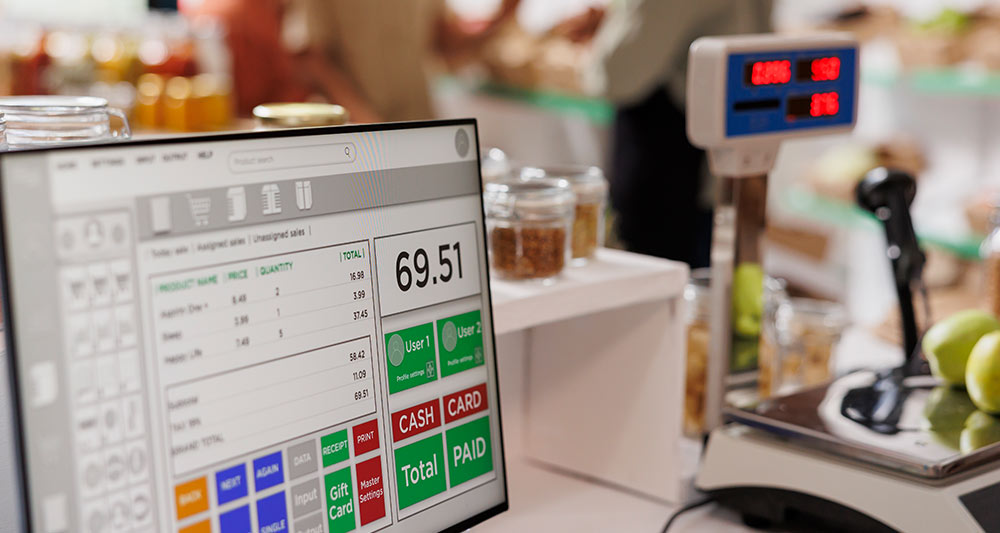
CRM plays a vital role in the retail industry by delivering valuable insights into customer behavior and preferences. By collecting data such as purchase history, browsing patterns, demographics, and preferences, retailers can create centralized customer profiles that are accessible across teams.
As a result, businesses can personalize marketing messages and make informed decisions related to pricing strategies and inventory planning. This improves both customer engagement and operational clarity.
Additionally, CRM software helps retailers optimize sales performance and revenue planning. It provides visibility into purchasing trends, inventory levels, and customer demand. Consequently, retailers can reduce stock shortages, improve forecasting, and increase profitability.
CRM software also centralizes customer interaction data. This enables customer support teams to deliver faster and more accurate assistance, strengthening long-term customer relationships.
How CRM Software Improves Retail Operations
CRM for retail centralizes customer data and interaction history, allowing teams to respond quickly and efficiently. This ensures better coordination between sales, marketing, and support teams.
Moreover, CRM supports data-driven marketing campaigns. Customer information can be segmented based on purchase behavior, demographics, and engagement history. As a result, businesses can deliver targeted and relevant communication.
In addition, CRM software enhances inventory and supply chain coordination. By analyzing customer demand trends, supply chain teams can plan inventory more accurately and ensure timely product availability.
Operational efficiency is further improved through automation. Routine tasks such as follow-up emails, appointment scheduling, and inventory updates can be automated. Integration with POS and ERP systems also ensures data consistency and smoother workflows.
Top CRM Software Trends to Look for in 2025
With rising customer expectations, businesses need CRM software that is both intelligent and intuitive. The global CRM market is expected to grow significantly, reaching $145.79 billion by 2029, driven by a CAGR of 12.5%.
Below are the key CRM software trends expected to influence the retail industry in 2025.
The Rise of Conversation-Driven Engagement
CRM software is transforming customer interactions through conversation-driven engagement. This approach moves beyond transactional relationships and focuses on meaningful, personalized communication.
Modern CRM platforms use AI and natural language processing to enable consistent conversations across multiple channels. Retailers are increasingly using AI-powered shopping assistants, interactive product discovery tools, and personalized post-purchase communication.
In the future, CRM software is expected to support predictive conversations, voice commerce, emotion-aware responses, and immersive AR or VR shopping experiences.
Key Integrations for Streamlined Data Management
CRM is now commonly integrated with ERP systems, accounting tools, HR platforms, and marketing solutions. However, managing multiple tools can be challenging, especially for small and mid-sized businesses.
To address this, CRM solution providers focus on seamless integrations and usability. Businesses should choose CRM software that connects easily with third-party applications.
Bridge Suite, a lead management software and CRM solution, offers flexible data integration capabilities. It enables businesses to manage data across systems without technical complexity.
Advent of the Autonomous Customer Experience
The retail industry is entering a new phase with autonomous customer experience (ACE). This model uses AI and automation to create customer journeys that adapt in real time with minimal human intervention.
CRM supporting ACE relies on predictive intelligence, smart automation, and personalized recommendations. It enables automated cross-channel engagement and self-learning customer service workflows.
As a result, businesses experience reduced operational costs, improved customer satisfaction, higher conversion rates, and stronger customer lifetime value. However, challenges such as data privacy, system integration, and customer trust must be carefully managed.
Inclusion of Chatbots in CRM Software
Chatbots have become an essential feature of modern CRM software. They provide round-the-clock customer support and handle common queries efficiently.
By accessing CRM data, chatbots can personalize responses, reference past interactions, and reduce waiting times. This allows human agents to focus on complex customer issues.
Chatbots are especially valuable for businesses seeking cost-effective CRM implementation and faster customer service.
Leveraging IoT with CRM Software
The Internet of Things (IoT) is an emerging CRM software trend for 2025. IoT-enabled devices collect real-time data and send it directly to CRM systems.
For example, fitness trackers integrated with CRM can recommend workout plans based on user activity. This improves customer engagement and loyalty.
IoT data also helps businesses improve product design, enhance user experience, and identify future innovation opportunities.
Conclusion
In 2025, retail businesses are expected to rely on advanced CRM software such as Bridge Suite to remain competitive in a rapidly evolving digital landscape. These solutions deliver AI-driven insights, personalized marketing capabilities, and seamless customer interactions.
Future CRM software will focus on simplicity and authenticity. Customers will continue to value meaningful human interactions supported by intelligent automation.
Adopting the latest CRM trends is essential for long-term success. Choosing Bridge CRM an industry-specific, mobile-friendly CRM solution that aligns with internal workflows can support sustainable growth and stronger customer relationships.

0 Comments